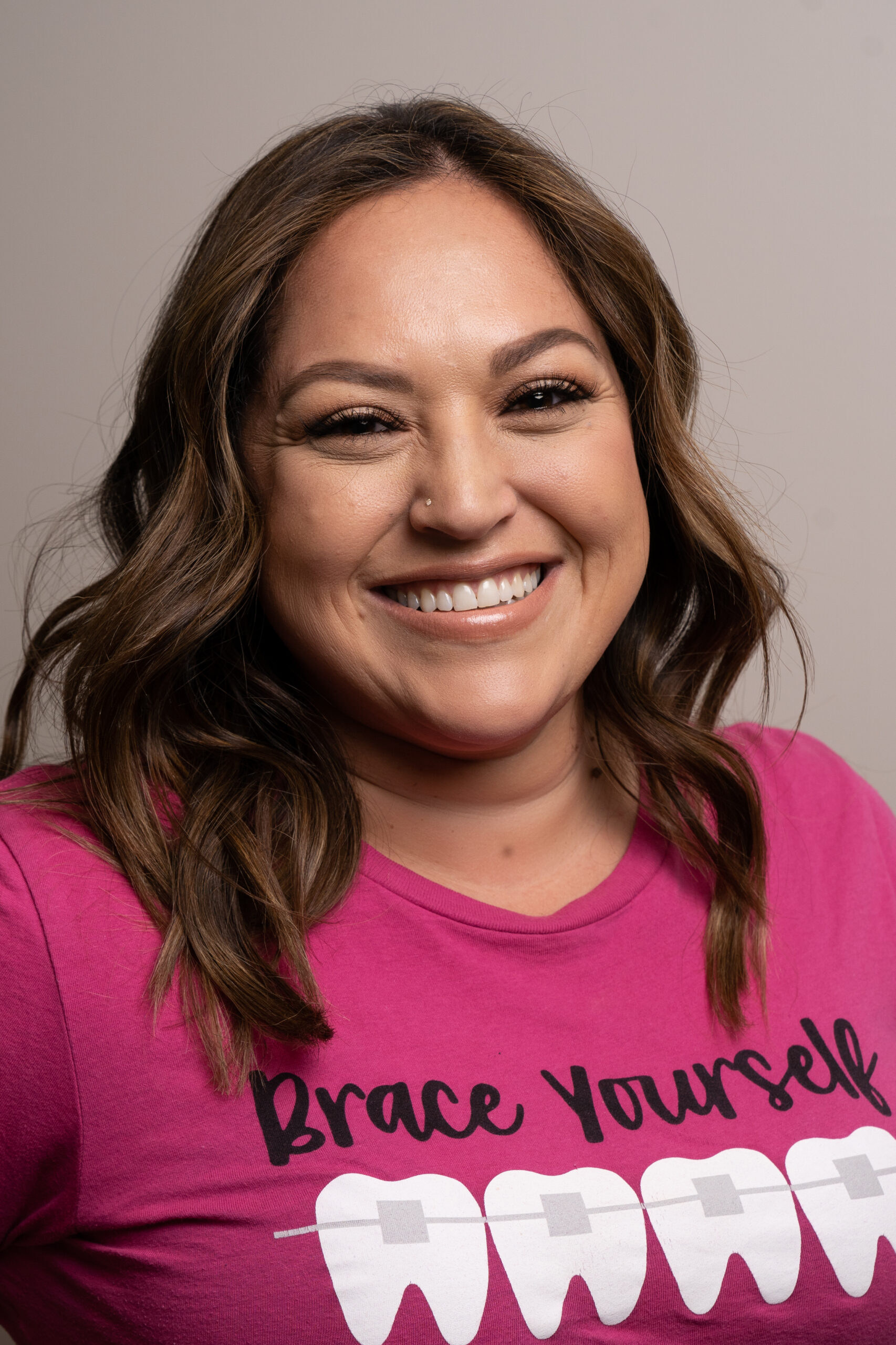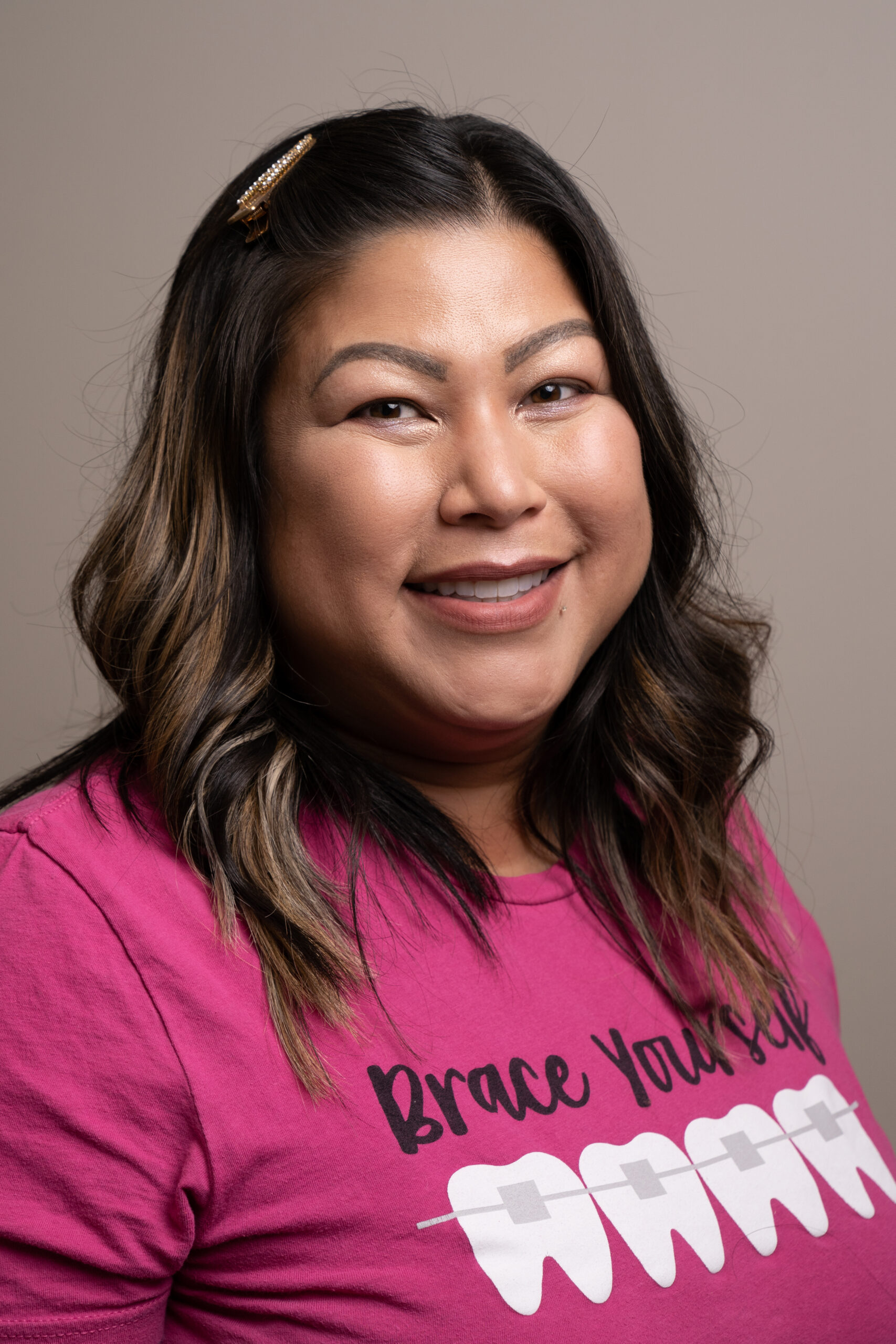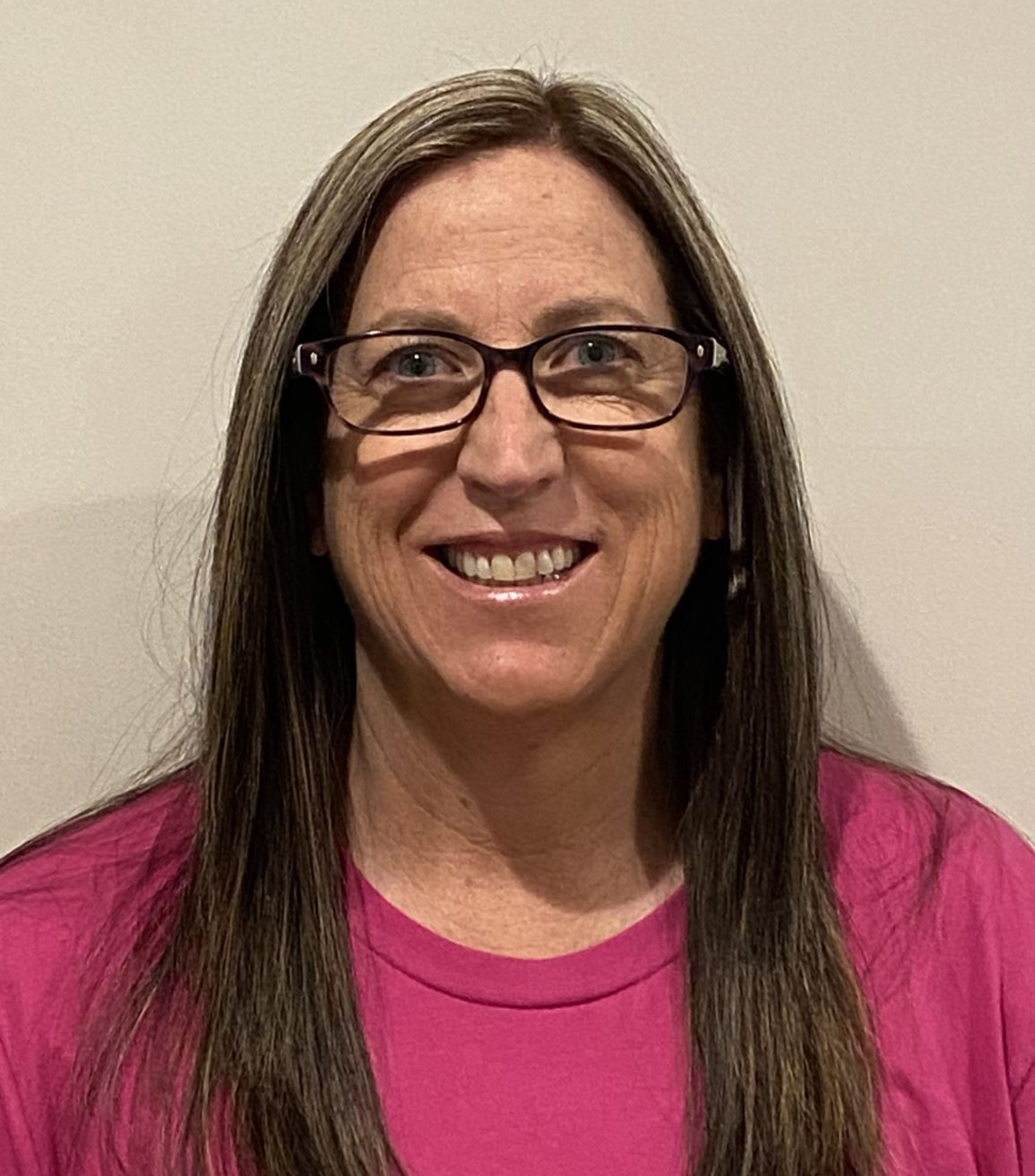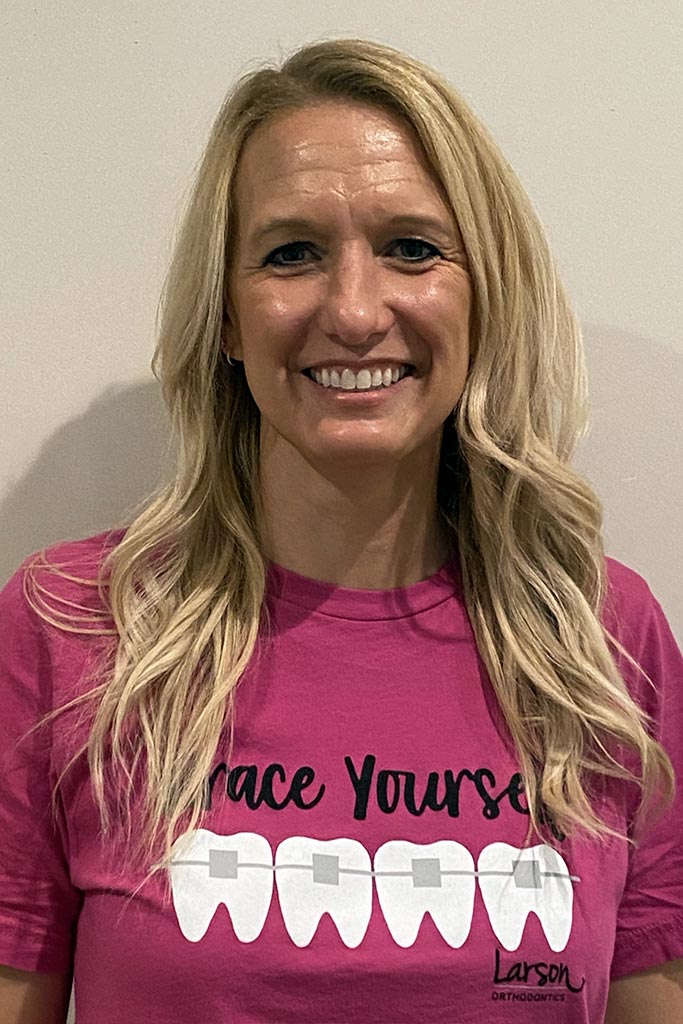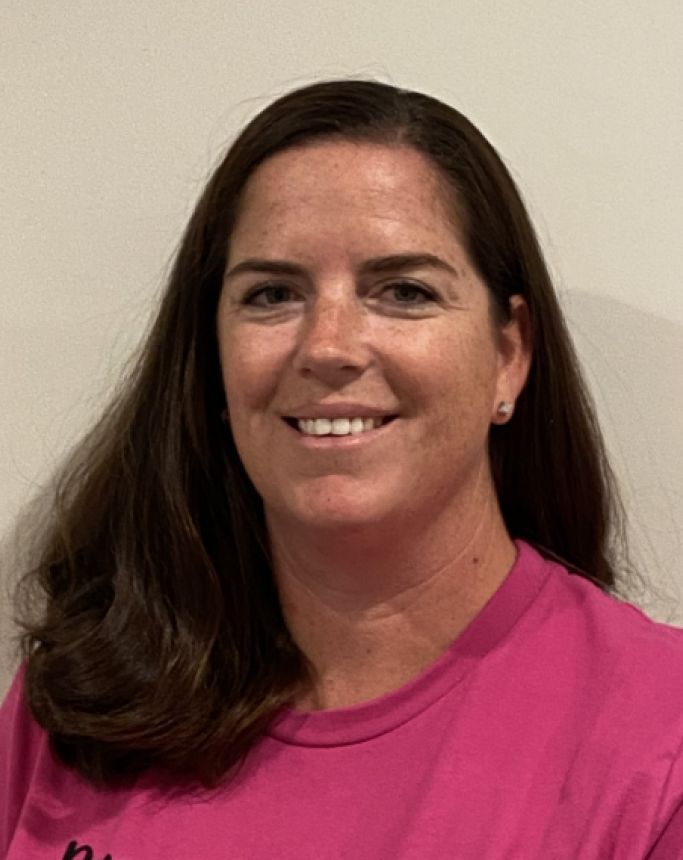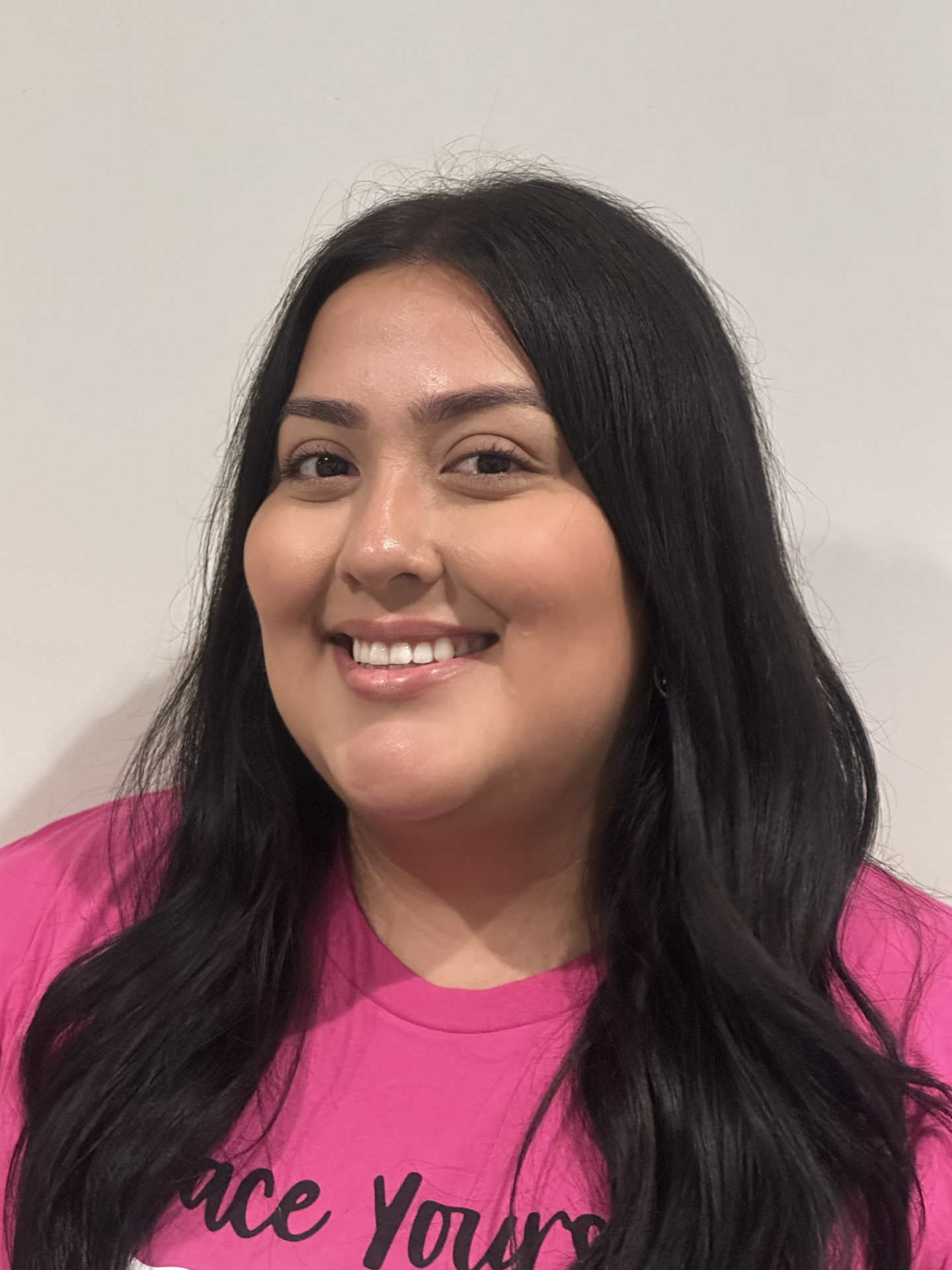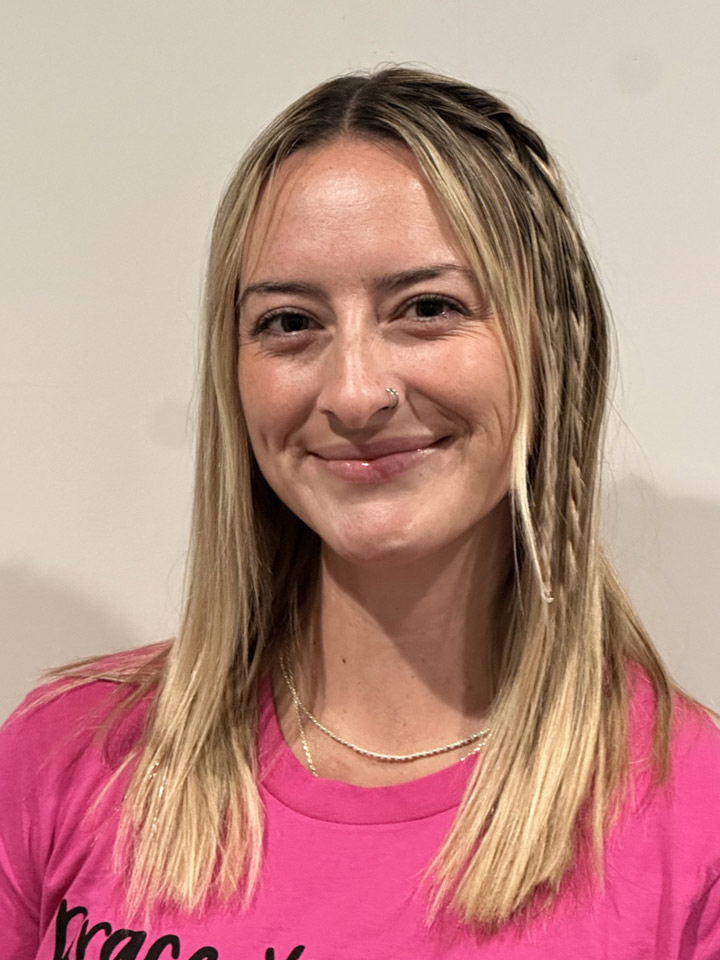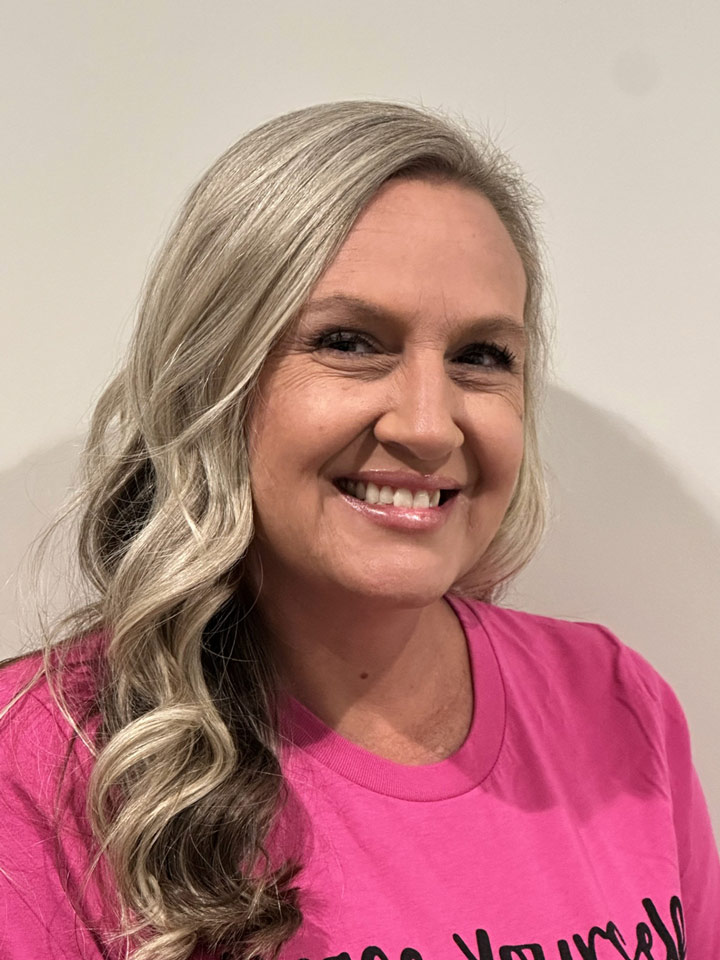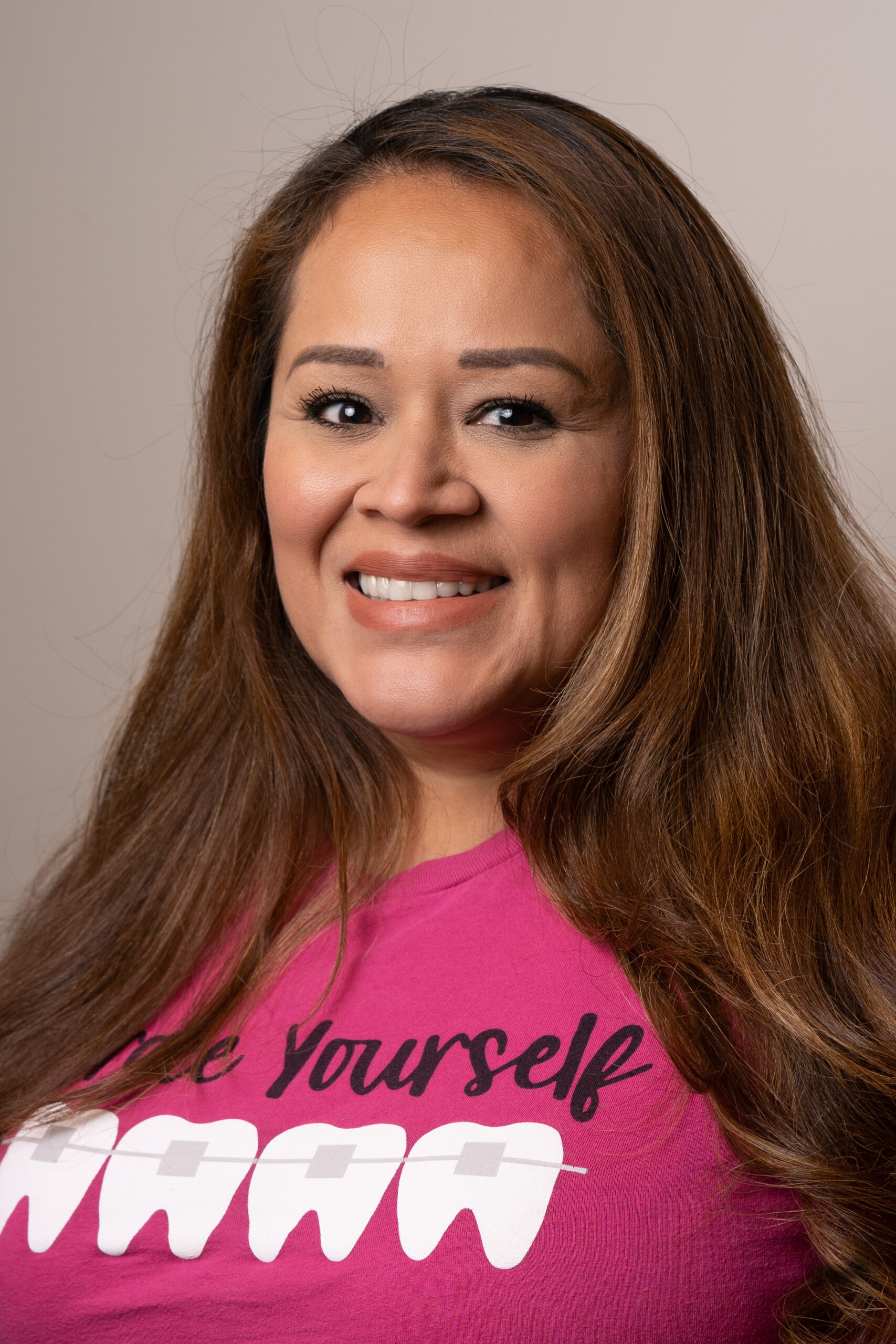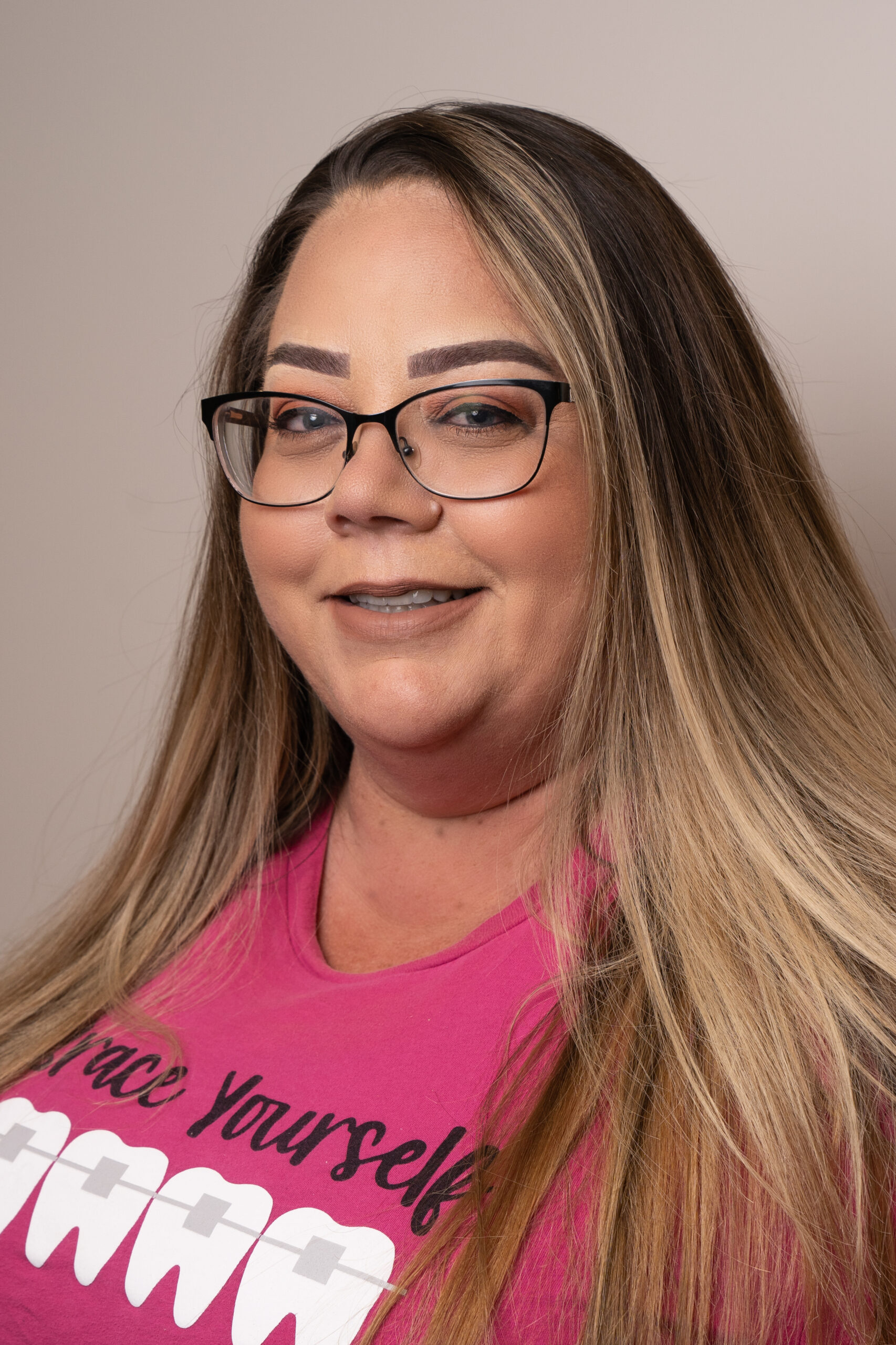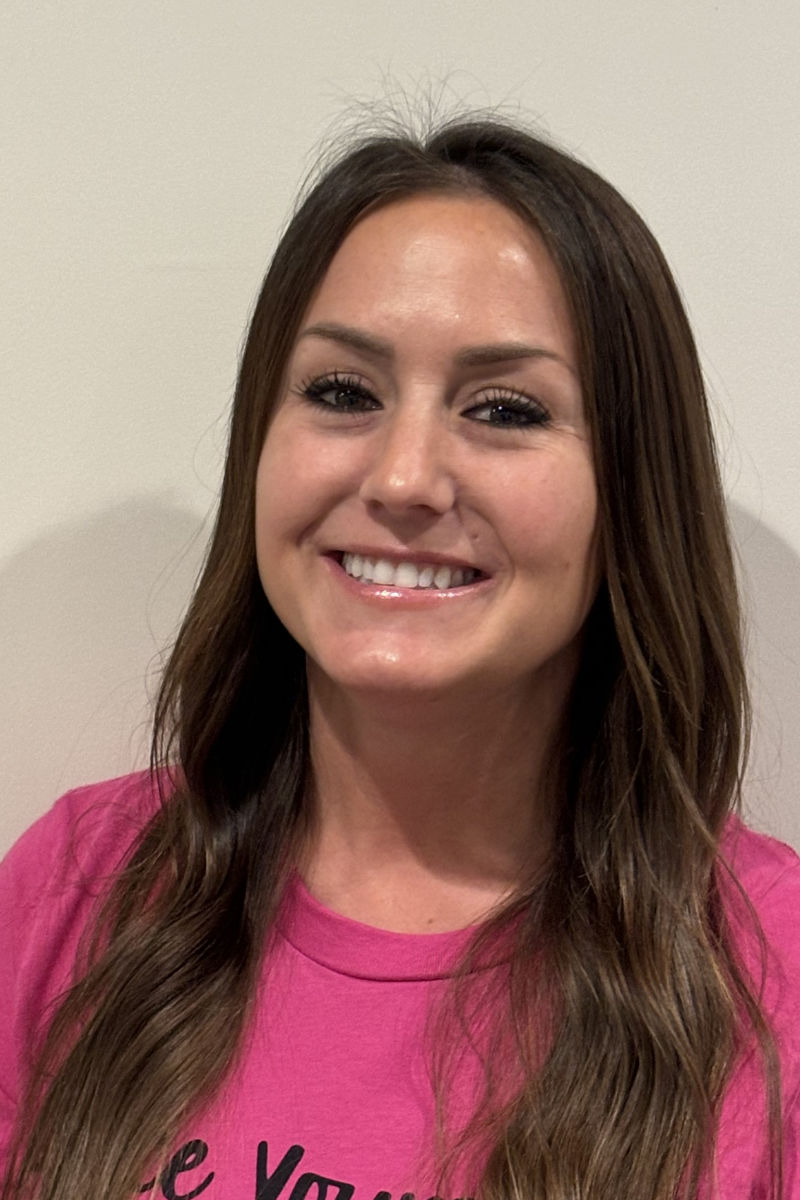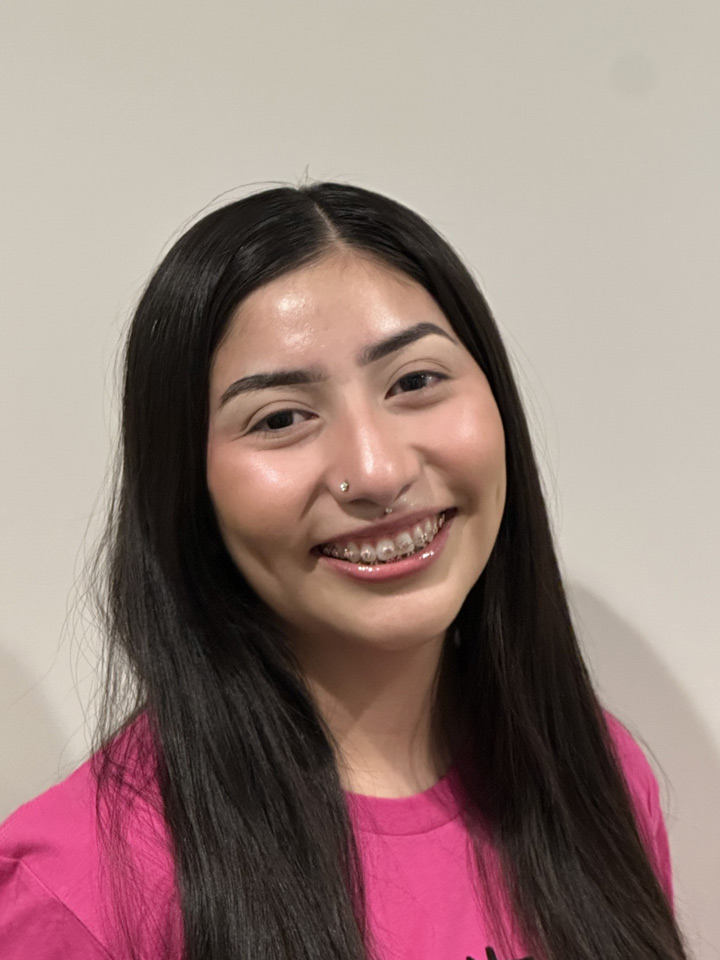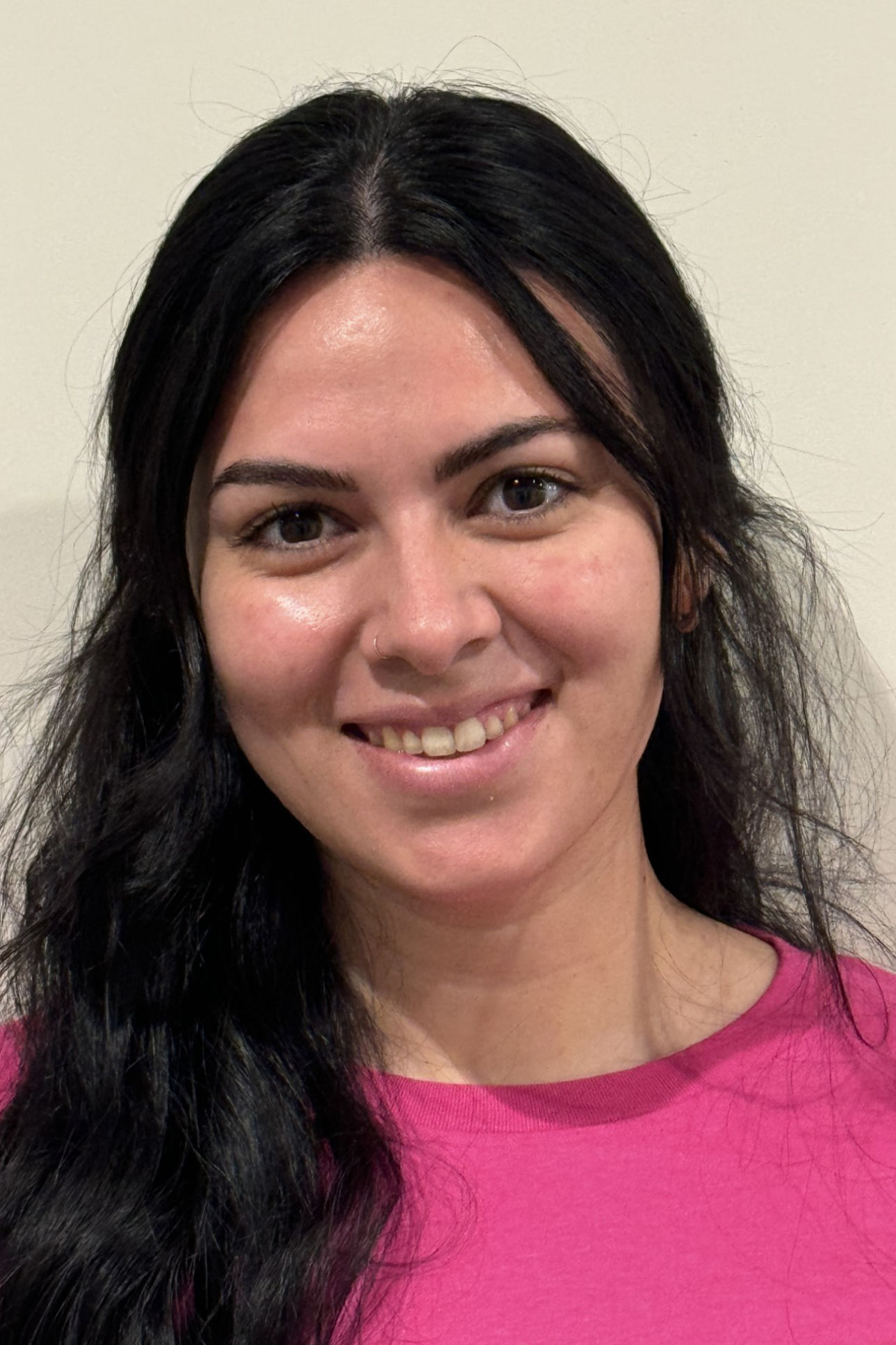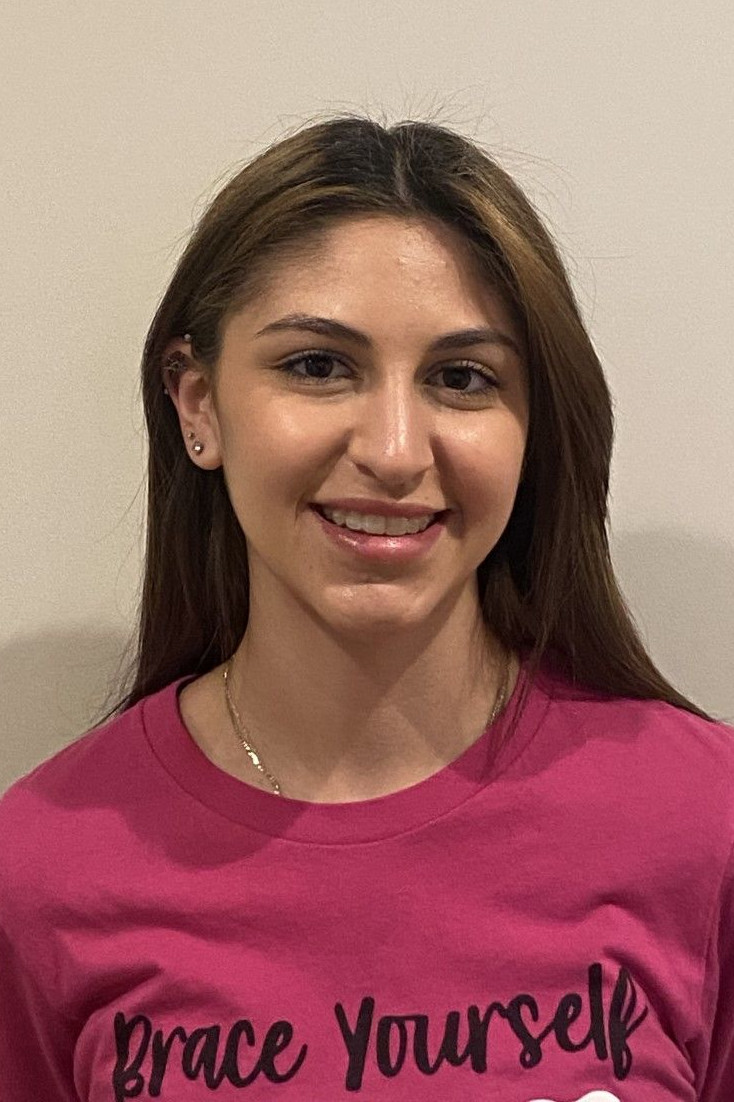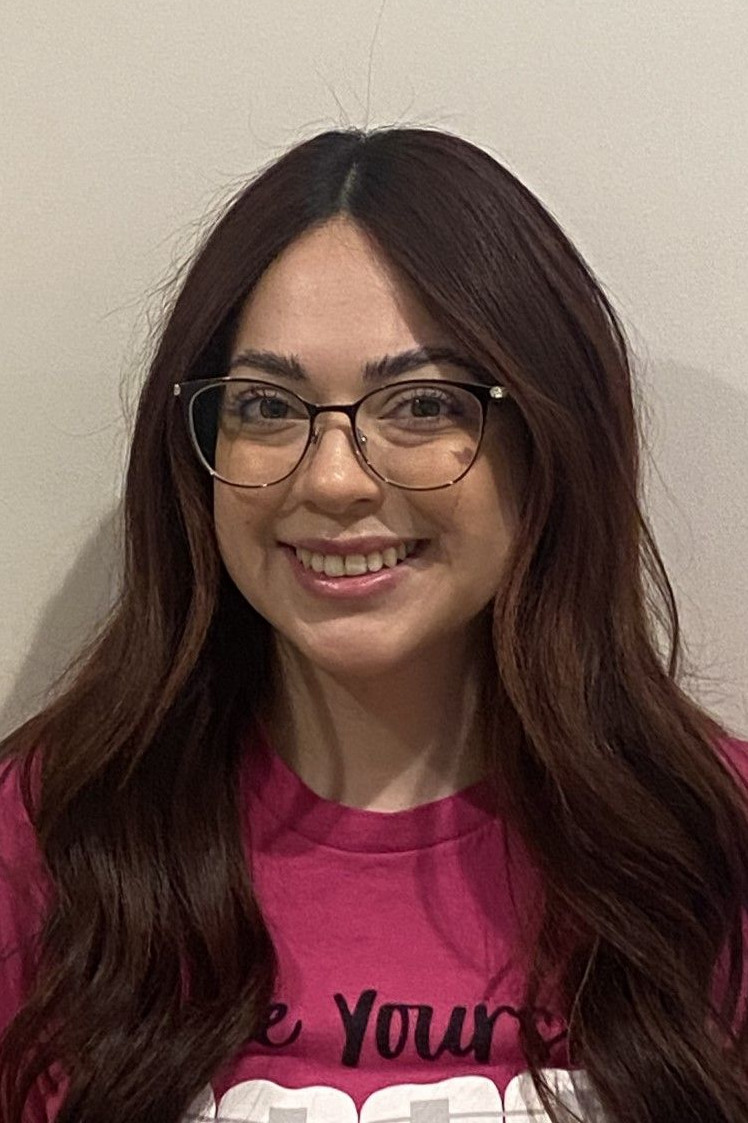
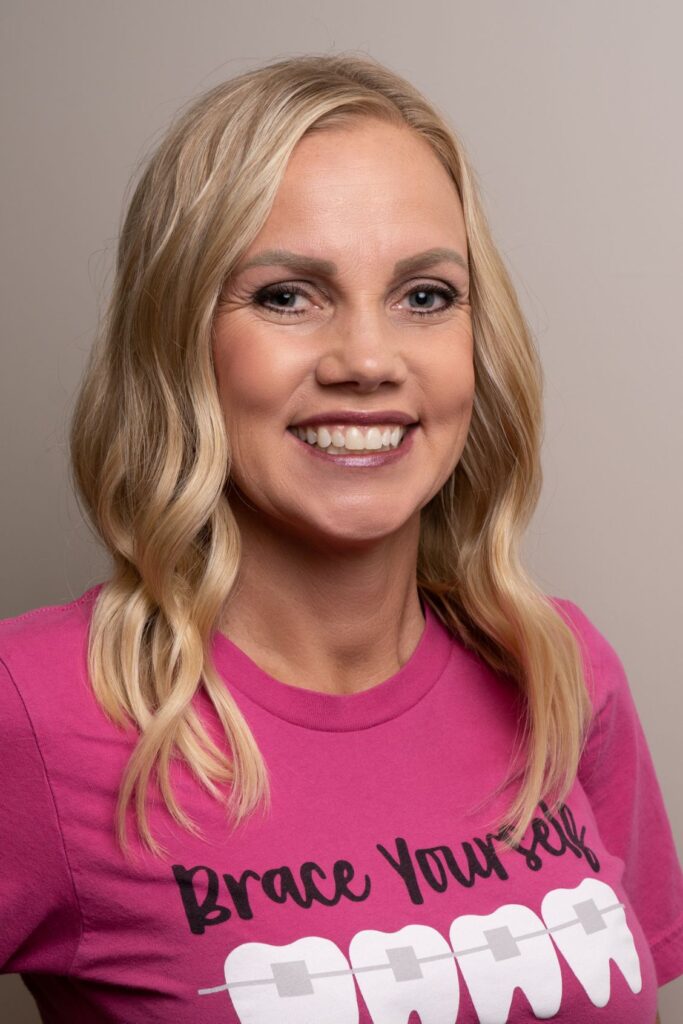
We recognize that all of our patients are unique and deserve to receive orthodontic care that reflects their individual needs. Our experienced and talented team is committed to working with you and your family to create a comfortable, stress-free, and rewarding orthodontic experience every time you visit our practice. We are pleased to welcome you and your family, and we look forward to working with you.
TADS in orthodontics stand for Temporary Anchorage Devices. These are small titanium screws placed in the jawbone to provide additional support for orthodontic treatment, especially in cases where traditional braces may not be sufficient. TADS help in achieving more precise tooth movement and can enhance treatment outcomes.
What does an orthodontic TPA do?
An orthodontic TPA, or transpalatal arch, is a fixed appliance used to maintain the width of the upper jaw. It helps stabilize the molars and prevent them from shifting, aiding in proper alignment and bite correction during orthodontic treatment.
What is Nance in ortho?
In orthodontics, a Nance appliance is a fixed orthodontic device used to prevent the molars from moving forward. It consists of bands placed on the first molars connected by an archwire that rests against the roof of the mouth. The Nance appliance helps maintain space and prevent unwanted tooth movement during orthodontic treatment.
How do TADS benefit orthodontic treatment?
TADs (Temporary Anchorage Devices) benefit orthodontic treatment by providing additional anchorage points to help move teeth more effectively, reduce treatment time, and minimize the need for headgear or extractions. TADs are versatile, minimally invasive, and can enhance the precision of tooth movement for optimal results.
What types of issues do TADS correct?
TADS, or temporary anchorage devices, correct issues such as overbites, underbites, spacing problems, and other orthodontic concerns by providing additional support for tooth movement during treatment. TADS are versatile and can address various complex dental issues effectively.
When is a Nance appliance recommended?
A Nance appliance is typically recommended in orthodontic treatment to prevent the molars from moving forward after the extraction of primary teeth. It helps maintain space and prevent crowding in the dental arch.
What purpose does a TPA serve?
A Third Party Administrator (TPA) serves to handle administrative tasks for self-funded insurance plans, such as claims processing, enrollment, and customer service. TPAs help streamline operations and provide expertise in managing healthcare benefits efficiently.
How does orthodontic treatment improve dental health?
Orthodontic treatment improves dental health by correcting misalignments, reducing the risk of tooth decay, gum disease, and jaw issues. It enhances overall oral function, making it easier to chew and speak. Additionally, straight teeth are easier to clean, promoting better oral hygiene and preventing future dental problems.
Can adults benefit from TADS in orthodontics?
Adults can benefit from Temporary Anchorage Devices (TADS) in orthodontics. TADS are small titanium screws used as anchors to help move teeth more effectively, especially in complex cases. They provide additional support and can assist in achieving optimal results for adult orthodontic treatment.
Whats involved in an orthodontic consultation?
An orthodontic consultation typically involves an examination of your teeth, jaws, and bite, discussing treatment options, creating a customized treatment plan, and addressing any questions or concerns you may have. X-rays and impressions may be taken to aid in the assessment.
How long does a standard orthodontic treatment take?
The duration of a standard orthodontic treatment typically ranges from 18 to 24 months, but it can vary based on individual needs and treatment plans. Regular adjustments and compliance with orthodontist recommendations are essential for successful outcomes.
What are the components of a TPA?
A Third Party Administrator (TPA) typically consists of the following components:
- Claims processing
- Provider network management
- Utilization review
- Customer service
- Reporting and analytics
How do you care for orthodontic appliances?
To care for orthodontic appliances, brush teeth after meals, use a soft-bristled toothbrush, floss daily, avoid hard or sticky foods, attend regular orthodontic appointments, and follow specific care instructions provided by the orthodontist.
What advancements have been made in orthodontics?
Advancements in orthodontics include:
1. Clear aligner technology like Invisalign.
2. Digital scanning for precise treatment planning.
3. Accelerated orthodontics for faster results.
4. Customized treatment options for individual needs.
5. 3D printing for personalized orthodontic appliances.
How does a Nance appliance affect speech?
A Nance appliance may slightly affect speech initially due to its presence in the mouth, but most patients adapt quickly. Proper pronunciation may take a short adjustment period as the tongue adjusts to the appliance, leading to improved speech over time.
What are the signs you need orthodontic work?
Signs you may need orthodontic work include crooked teeth, overcrowding, difficulty chewing or biting, jaw pain, speech issues, and protruding teeth. If you experience any of these, consider seeking a free consultation with our experienced team for personalized treatment options.
Can a Nance appliance be used with adults?
Nance appliances can be used with adults to address specific orthodontic issues. While more common in younger patients, adults may benefit from a Nance appliance in certain cases to help with tooth movement and alignment. Consult with an orthodontist to determine if this appliance is suitable for your treatment plan.
How often should orthodontic appliances be checked?
Orthodontic appliances should typically be checked every 4 to 8 weeks to monitor progress, make adjustments, and ensure proper alignment. Regular check-ups are crucial for effective treatment and to address any issues promptly.
What is the success rate of TADS?
The success rate of Temporary Anchorage Devices (TADS) in orthodontic treatment is high, with studies showing effectiveness in providing additional anchorage for tooth movement. TADS are a reliable option for enhancing orthodontic outcomes in certain cases.
How can I prepare for orthodontic treatment?
To prepare for orthodontic treatment, ensure good oral hygiene, follow pre-treatment instructions, discuss concerns with the orthodontist, plan for dietary adjustments, and maintain regular dental check-ups. Familiarize yourself with the treatment process and ask any questions during consultations for a smooth experience.
What are the alternatives to a Nance appliance?
Alternative options to a Nance appliance include:
Transpalatal arch
Lingual arch
Lower lingual holding arch
Quad helix
Removable retainers
These alternatives may be considered based on individual orthodontic needs and treatment plans.
What discomfort can TPA cause and why?
TPAs can cause discomfort such as soreness, pressure, and difficulty chewing initially. This is due to the appliance's activation force on the teeth, which may lead to temporary discomfort as the teeth adjust to the new positioning. Regular adjustments can help alleviate discomfort over time.
Are there any food restrictions with TADS?
TADS do not have specific food restrictions. Patients can generally eat a regular diet with TADS in place. However, it's advisable to avoid very hard or sticky foods to prevent damage to the TADS or braces. Regular oral hygiene is crucial to maintain TADS effectiveness.
How does a TPA appliance adjust teeth?
A TPA (Trans-Palatal Arch) appliance adjusts teeth by applying gentle pressure to the upper molars, helping to maintain or create space in the dental arch. This device aids in correcting issues like crowding or expansion needs by guiding the teeth into proper alignment.
What post-treatment care is needed for TADS?
Post-treatment care for TADS (Temporary Anchorage Devices) includes:
Regular oral hygiene practices
Avoiding hard or sticky foods
Following orthodontist's instructions for TADS maintenance
Scheduling follow-up appointments
When should a child first visit an orthodontist?
Children should have their first orthodontic visit around the age of 7 to assess their dental development and potential orthodontic needs. Early evaluation can help detect issues and plan for timely treatment if necessary.
Can TPA correct severe orthodontic issues?
TPA (Trans-Palatal Arch) can help correct some severe orthodontic issues by expanding the upper jaw, creating space for crowded teeth, and aiding in overall alignment. However, the effectiveness depends on the specific case and consultation with an orthodontic professional is necessary for personalized treatment recommendations.
What maintenance is required for a Nance appliance?
Maintenance for a Nance appliance includes regular cleaning with a toothbrush, avoiding sticky foods, and attending scheduled orthodontic appointments for adjustments and monitoring. It's essential to follow care instructions provided by the orthodontist for optimal results.
How often do TADS need to be monitored?
TADS typically require monitoring every 4-6 weeks to ensure they are functioning correctly and to make any necessary adjustments for optimal orthodontic treatment progress. Regular check-ups are essential to track their stability and effectiveness throughout the treatment process.
What differentiates cosmetic and functional orthodontics?
Cosmetic orthodontics focuses on enhancing the appearance of the teeth and smile, while functional orthodontics aims to improve the overall function and health of the bite and jaw. Cosmetic orthodontics may include treatments like clear aligners for aesthetic purposes, whereas functional orthodontics addresses issues such as bite alignment and jaw pain.
TADS in orthodontics stand for Temporary Anchorage Devices. These are small titanium screws placed in the jawbone to provide additional support for orthodontic treatment, especially in cases where traditional braces may not be sufficient. TADS help in achieving more precise tooth movement and can enhance treatment outcomes.
What does an orthodontic TPA do?
An orthodontic TPA, or transpalatal arch, is a fixed appliance used to maintain the width of the upper jaw. It helps stabilize the molars and prevent them from shifting, aiding in proper alignment and bite correction during orthodontic treatment.
What is Nance in ortho?
In orthodontics, a Nance appliance is a fixed orthodontic device used to prevent the molars from moving forward. It consists of bands placed on the first molars connected by an archwire that rests against the roof of the mouth. The Nance appliance helps maintain space and prevent unwanted tooth movement during orthodontic treatment.
How do TADS benefit orthodontic treatment?
TADs (Temporary Anchorage Devices) benefit orthodontic treatment by providing additional anchorage points to help move teeth more effectively, reduce treatment time, and minimize the need for headgear or extractions. TADs are versatile, minimally invasive, and can enhance the precision of tooth movement for optimal results.
What types of issues do TADS correct?
TADS, or temporary anchorage devices, correct issues such as overbites, underbites, spacing problems, and other orthodontic concerns by providing additional support for tooth movement during treatment. TADS are versatile and can address various complex dental issues effectively.
When is a Nance appliance recommended?
A Nance appliance is typically recommended in orthodontic treatment to prevent the molars from moving forward after the extraction of primary teeth. It helps maintain space and prevent crowding in the dental arch.
What purpose does a TPA serve?
A Third Party Administrator (TPA) serves to handle administrative tasks for self-funded insurance plans, such as claims processing, enrollment, and customer service. TPAs help streamline operations and provide expertise in managing healthcare benefits efficiently.
How does orthodontic treatment improve dental health?
Orthodontic treatment improves dental health by correcting misalignments, reducing the risk of tooth decay, gum disease, and jaw issues. It enhances overall oral function, making it easier to chew and speak. Additionally, straight teeth are easier to clean, promoting better oral hygiene and preventing future dental problems.
Can adults benefit from TADS in orthodontics?
Adults can benefit from Temporary Anchorage Devices (TADS) in orthodontics. TADS are small titanium screws used as anchors to help move teeth more effectively, especially in complex cases. They provide additional support and can assist in achieving optimal results for adult orthodontic treatment.
Whats involved in an orthodontic consultation?
An orthodontic consultation typically involves an examination of your teeth, jaws, and bite, discussing treatment options, creating a customized treatment plan, and addressing any questions or concerns you may have. X-rays and impressions may be taken to aid in the assessment.
How long does a standard orthodontic treatment take?
The duration of a standard orthodontic treatment typically ranges from 18 to 24 months, but it can vary based on individual needs and treatment plans. Regular adjustments and compliance with orthodontist recommendations are essential for successful outcomes.
What are the components of a TPA?
A Third Party Administrator (TPA) typically consists of the following components:
- Claims processing
- Provider network management
- Utilization review
- Customer service
- Reporting and analytics
How do you care for orthodontic appliances?
To care for orthodontic appliances, brush teeth after meals, use a soft-bristled toothbrush, floss daily, avoid hard or sticky foods, attend regular orthodontic appointments, and follow specific care instructions provided by the orthodontist.
What advancements have been made in orthodontics?
Advancements in orthodontics include:
1. Clear aligner technology like Invisalign.
2. Digital scanning for precise treatment planning.
3. Accelerated orthodontics for faster results.
4. Customized treatment options for individual needs.
5. 3D printing for personalized orthodontic appliances.
How does a Nance appliance affect speech?
A Nance appliance may slightly affect speech initially due to its presence in the mouth, but most patients adapt quickly. Proper pronunciation may take a short adjustment period as the tongue adjusts to the appliance, leading to improved speech over time.
What are the signs you need orthodontic work?
Signs you may need orthodontic work include crooked teeth, overcrowding, difficulty chewing or biting, jaw pain, speech issues, and protruding teeth. If you experience any of these, consider seeking a free consultation with our experienced team for personalized treatment options.
Can a Nance appliance be used with adults?
Nance appliances can be used with adults to address specific orthodontic issues. While more common in younger patients, adults may benefit from a Nance appliance in certain cases to help with tooth movement and alignment. Consult with an orthodontist to determine if this appliance is suitable for your treatment plan.
How often should orthodontic appliances be checked?
Orthodontic appliances should typically be checked every 4 to 8 weeks to monitor progress, make adjustments, and ensure proper alignment. Regular check-ups are crucial for effective treatment and to address any issues promptly.
What is the success rate of TADS?
The success rate of Temporary Anchorage Devices (TADS) in orthodontic treatment is high, with studies showing effectiveness in providing additional anchorage for tooth movement. TADS are a reliable option for enhancing orthodontic outcomes in certain cases.
How can I prepare for orthodontic treatment?
To prepare for orthodontic treatment, ensure good oral hygiene, follow pre-treatment instructions, discuss concerns with the orthodontist, plan for dietary adjustments, and maintain regular dental check-ups. Familiarize yourself with the treatment process and ask any questions during consultations for a smooth experience.
What are the alternatives to a Nance appliance?
Alternative options to a Nance appliance include:
Transpalatal arch
Lingual arch
Lower lingual holding arch
Quad helix
Removable retainers
These alternatives may be considered based on individual orthodontic needs and treatment plans.
What discomfort can TPA cause and why?
TPAs can cause discomfort such as soreness, pressure, and difficulty chewing initially. This is due to the appliance's activation force on the teeth, which may lead to temporary discomfort as the teeth adjust to the new positioning. Regular adjustments can help alleviate discomfort over time.
Are there any food restrictions with TADS?
TADS do not have specific food restrictions. Patients can generally eat a regular diet with TADS in place. However, it's advisable to avoid very hard or sticky foods to prevent damage to the TADS or braces. Regular oral hygiene is crucial to maintain TADS effectiveness.
How does a TPA appliance adjust teeth?
A TPA (Trans-Palatal Arch) appliance adjusts teeth by applying gentle pressure to the upper molars, helping to maintain or create space in the dental arch. This device aids in correcting issues like crowding or expansion needs by guiding the teeth into proper alignment.
What post-treatment care is needed for TADS?
Post-treatment care for TADS (Temporary Anchorage Devices) includes:
Regular oral hygiene practices
Avoiding hard or sticky foods
Following orthodontist's instructions for TADS maintenance
Scheduling follow-up appointments
When should a child first visit an orthodontist?
Children should have their first orthodontic visit around the age of 7 to assess their dental development and potential orthodontic needs. Early evaluation can help detect issues and plan for timely treatment if necessary.
Can TPA correct severe orthodontic issues?
TPA (Trans-Palatal Arch) can help correct some severe orthodontic issues by expanding the upper jaw, creating space for crowded teeth, and aiding in overall alignment. However, the effectiveness depends on the specific case and consultation with an orthodontic professional is necessary for personalized treatment recommendations.
What maintenance is required for a Nance appliance?
Maintenance for a Nance appliance includes regular cleaning with a toothbrush, avoiding sticky foods, and attending scheduled orthodontic appointments for adjustments and monitoring. It's essential to follow care instructions provided by the orthodontist for optimal results.
How often do TADS need to be monitored?
TADS typically require monitoring every 4-6 weeks to ensure they are functioning correctly and to make any necessary adjustments for optimal orthodontic treatment progress. Regular check-ups are essential to track their stability and effectiveness throughout the treatment process.
What differentiates cosmetic and functional orthodontics?
Cosmetic orthodontics focuses on enhancing the appearance of the teeth and smile, while functional orthodontics aims to improve the overall function and health of the bite and jaw. Cosmetic orthodontics may include treatments like clear aligners for aesthetic purposes, whereas functional orthodontics addresses issues such as bite alignment and jaw pain.