
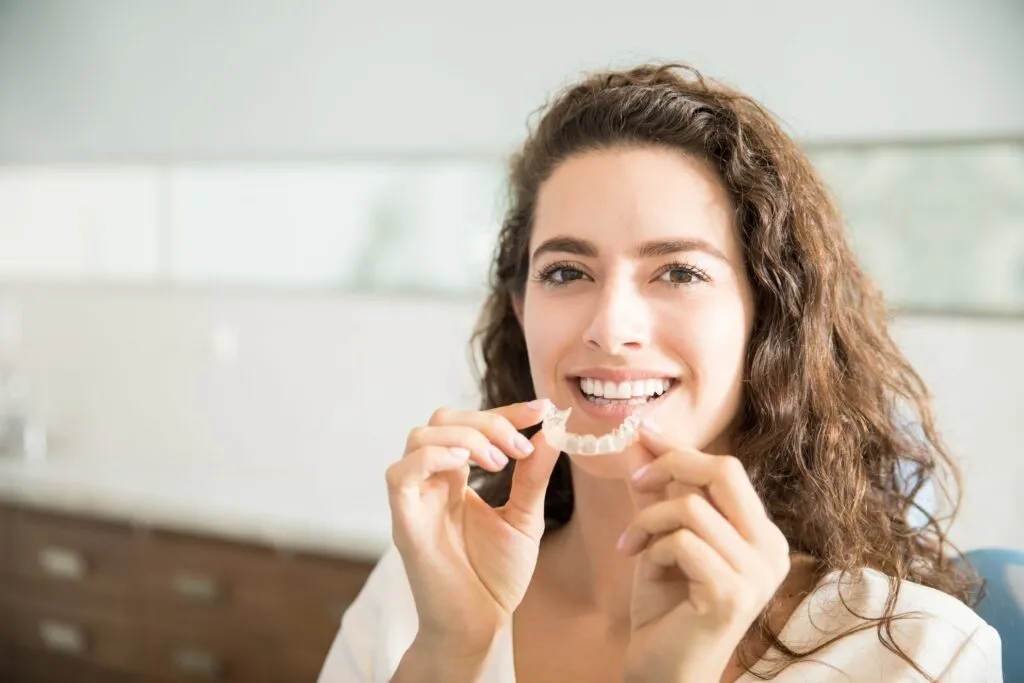
A replacement retainer typically costs between about $150 and $600 per arch, depending on the type. Clear removable retainers sit at the lower end, Hawley retainers in the middle, and bonded wire retainers vary with the work required. Many practices charge less for replacements ordered from records already on file.
Nobody plans to lose a retainer. Almost everybody eventually does — usually in a napkin at a restaurant, or in a hotel room. What matters is how fast you replace it, because the cost of waiting is much higher than the cost of the retainer.
Replacement Cost by Retainer Type
| Type | Typical replacement cost per arch | Lifespan |
|---|---|---|
| Clear removable retainer (Essix-style) | About $150 to $350 | 1 to 3 years with good care |
| Hawley retainer (wire and acrylic) | About $250 to $600 | 5+ years; repairable |
| Bonded (fixed) wire retainer | About $250 to $600 to replace | Years; can debond and need re-bonding |
| Re-bonding an existing fixed wire | Often a smaller repair fee | — |
These are general market ranges for the Riverside and Corona area, not a quote. Your exact fee depends on your practice, whether a new scan is needed, and whether you are still within any post-treatment period included in your original fee.
What Drives the Price
- Do they still have your records? A retainer made from an existing digital scan is cheaper and faster than one requiring a new appointment and scan.
- How long since treatment ended? If your teeth have shifted, a new scan is mandatory — and if they have shifted a lot, a retainer alone may no longer fit.
- One arch or two. Prices are usually quoted per arch; losing a case with both trays costs double.
- Type. Clear trays are the least expensive to remake; wire-and-acrylic appliances involve more lab work.
- Your original agreement. Some practices include one replacement or a discounted-replacement window in the treatment fee. Ask.
The Real Cost of Not Replacing It
This is the number that matters. Teeth begin drifting within days of stopping retainer wear, and the drift accelerates over months. The comparison looks like this:
| Path | Typical cost |
|---|---|
| Replace the retainer within a week or two | $150 to $600 per arch |
| Wait months, teeth shift, need limited re-treatment | Often well over $1,000, plus months of treatment |
| Wait years, need comprehensive re-treatment | Frequently $3,000 to $8,000 |
A replacement retainer is the cheapest orthodontic appointment you will ever have. Relapse re-treatment is one of the most expensive.
What to Do the Day You Lose It
- Call your orthodontist immediately, even if you are traveling. Many can order a replacement from existing records.
- Wear the other arch if only one tray is missing.
- Find your old retainer if you have one, even an older, slightly tight version. A tight retainer worn carefully is better than none; a very tight one should be checked first.
- Do not force a damaged retainer. A cracked tray can move teeth in unintended directions.
- Do not buy a mail-order replacement without your orthodontist knowing. A tray made from an impression you took yourself can hold teeth in a wrong position.
- Ask about a spare while you are at it.
How to Make Retainers Last
- Case, always. The napkin is where retainers go to die, followed closely by the car console and the hotel nightstand.
- Rinse after every wear with cool water, and clean gently with a soft brush and clear soap.
- Never use hot water, the dishwasher, boiling, or a car dashboard. Heat warps the plastic permanently.
- Avoid toothpaste on clear trays; it scratches and clouds them.
- Keep it away from pets. Dogs find retainers irresistible, and this is a genuinely common cause of replacement.
- Bring it to dental cleanings so fit can be checked.
- Ask about a spare set at debond — a second set ordered from the same scan is usually much cheaper than a replacement later.
Does Insurance Cover Replacement Retainers?
Usually not. Orthodontic benefits typically apply to active treatment and are often exhausted by it, and replacement appliances are commonly excluded. Two things worth checking anyway: whether your plan includes any appliance benefit, and whether an HSA or FSA can be used, since orthodontic appliances are generally eligible expenses.
How Long Do You Have to Wear a Retainer Anyway?
Indefinitely, on a nights-only schedule after the initial full-time period. Teeth drift throughout life, with or without previous orthodontic treatment. The retainer is not the end of treatment; it is the maintenance that protects everything you already paid for. See our guide to retainers in Riverside, CA and retainers in Corona, CA.
Retainer Types Compared
| Clear removable | Hawley | Bonded wire | |
|---|---|---|---|
| Appearance | Nearly invisible | Visible wire across the front | Invisible from the front |
| Comfort | Thin, easy to adapt to | Bulkier on the palate | Nothing to wear or remember |
| Durability | Wears out in 1 to 3 years | Years, and repairable | Years, but can debond |
| Adjustable | No — remake required | Yes, minor adjustments possible | No |
| Hygiene | Easy — comes out | Easy — comes out | Requires threading floss daily |
| Loss risk | High | High | None |
Many patients end up with a combination: a bonded wire behind the lower front teeth, which are the most relapse-prone, plus a clear tray on the upper arch worn at night.
Signs Your Retainer Needs Replacing Even If You Have Not Lost It
- Cracks or a split anywhere in a clear tray — a cracked retainer applies uneven force and can move teeth the wrong way
- Cloudiness with thin spots, which means the plastic has worn
- It no longer snaps in or rocks when seated
- A persistent smell that cleaning does not resolve, indicating porous, degraded plastic
- A bent wire on a Hawley, or acrylic that no longer contacts the palate
- A bonded wire that feels loose at one tooth — the most commonly missed failure, because it causes no symptoms while teeth drift
Have a debonded wire re-attached promptly. Patients frequently discover a loose bonded retainer months after the fact, and by then some relapse has already happened.
Why Teeth Move Back at All
Understanding this makes the retainer feel less optional. The bone and ligament around each tooth are remodeled during treatment and take months to fully mature afterward. Even once settled, several forces continue for life:
- The periodontal ligament retains elastic memory of previous positions, strongest in the first year
- Lips, cheeks, and tongue apply constant low-grade pressure
- Jaws continue subtle age-related changes for decades, which is why untreated adults also develop lower front crowding
- Grinding and clenching add their own forces
Retention is not a sign the treatment failed. It is the acknowledgement that teeth are living structures in a moving system.
Getting a Spare Set
The single most cost-effective thing you can do at the end of treatment is ask for a second set of retainers while your scan is fresh. A spare ordered alongside the original is usually far cheaper than a replacement ordered under pressure a year later, and it eliminates the gap in wear time that causes relapse in the first place.
Keep the spare somewhere you will not lose it — not in your bag alongside the one you actually use.
How to Clean a Retainer Properly
Most retainers are replaced because of damage or degradation, not loss. A five-minute daily routine roughly doubles their working life:
- Rinse in cool water immediately after taking it out, before saliva dries on it.
- Brush gently with a soft toothbrush and a drop of clear, unscented soap. Skip toothpaste on clear trays, which is abrasive enough to scratch and cloud the plastic.
- Soak occasionally in a cleaner made for retainers or dentures, following the product’s timing. Do not improvise with bleach or mouthwash containing alcohol.
- Dry before storing and use a vented case so it does not sit damp.
- Never use heat — no boiling water, dishwasher, microwave, or car dashboard. Heat permanently deforms the plastic, and a warped retainer no longer holds your teeth.
- Bring it to appointments so fit and condition can be checked before failure.
Where Retainers Actually Get Lost
- Restaurant napkins. The single most common story, by a wide margin. Never wrap a retainer in anything disposable.
- School and work lunchrooms. A case in the bag prevents nearly all of these losses.
- Hotel rooms and travel. Pack it in your carry-on, not checked luggage, and never leave it on a nightstand at checkout.
- Pets. Dogs are attracted to the smell and will destroy a retainer in seconds. Store it up high, in its case.
- Sports bags. Loose in a bag means crushed. Athletes should keep the case in a fixed pocket.
What to Ask Your Orthodontist at Debond
- Which retainer types are you recommending for me, and why those?
- What is my exact wear schedule, and for how long full time?
- What does a replacement cost, and how long do you keep my digital records on file?
- Can I order a spare set now while the scan is fresh, and what does that cost?
- What should I do if I lose it while traveling?
- How often should I come back for a retainer check?
Getting those answers in writing at the final appointment is what turns a lost retainer from an emergency into a phone call.
Frequently Asked Questions
How much does one replacement retainer cost?
Generally about $150 to $600 per arch depending on type, and often less when your orthodontist already has your digital records.
Can I get a retainer from a different orthodontist?
Yes. They will need to take new records and will want to check whether your teeth have shifted since treatment.
My retainer feels tight after not wearing it for a while. Can I still use it?
Mildly tight is usually fine and often re-seats the teeth. Very tight, or painful, means teeth have moved — have it checked before forcing it, because a poorly fitting retainer can do harm.
How often do clear retainers need replacing even with good care?
Plan on every one to three years. They are plastic, they wear, and a thinned or cracked retainer stops holding properly.
Is a bonded retainer better because you cannot lose it?
It has that advantage, and it works without you remembering anything. It also requires careful flossing and periodic checks, since a debonded wire can go unnoticed and let teeth shift.
What if I lost my retainer years ago and my teeth have already moved?
Get evaluated rather than guessing. Minor relapse is often a short, limited case; the assessment is what tells you whether you need a retainer or treatment.
Lost or broken retainer? Learn more about braces in Riverside, CA if relapse has already set in, or schedule a free consultation.